

3 mL luer-lock syringes, sterile with caps (10-pack)
The mixing syringe: draws bacteriostatic water and adds it to the lyophilized vial. The threaded luer-lock tip takes a draw needle or a syringe filter.
View on Amazon ↗Reconstituting a lyophilized peptide takes more than the vial: bacteriostatic water, a luer-lock syringe, a draw needle, alcohol prep pads, and a fridge at the end of it. This checklist puts standard peptide reconstitution supplies in one place. Selection is based on usefulness, not commission. Prices and availability are shown on Amazon.
As an Amazon Associate, PeptideScouter earns from qualifying purchases. See the affiliate disclosure.
Getting lyophilized powder into solution and moving it between containers.
The mixing syringe: draws bacteriostatic water and adds it to the lyophilized vial. The threaded luer-lock tip takes a draw needle or a syringe filter.
View on Amazon ↗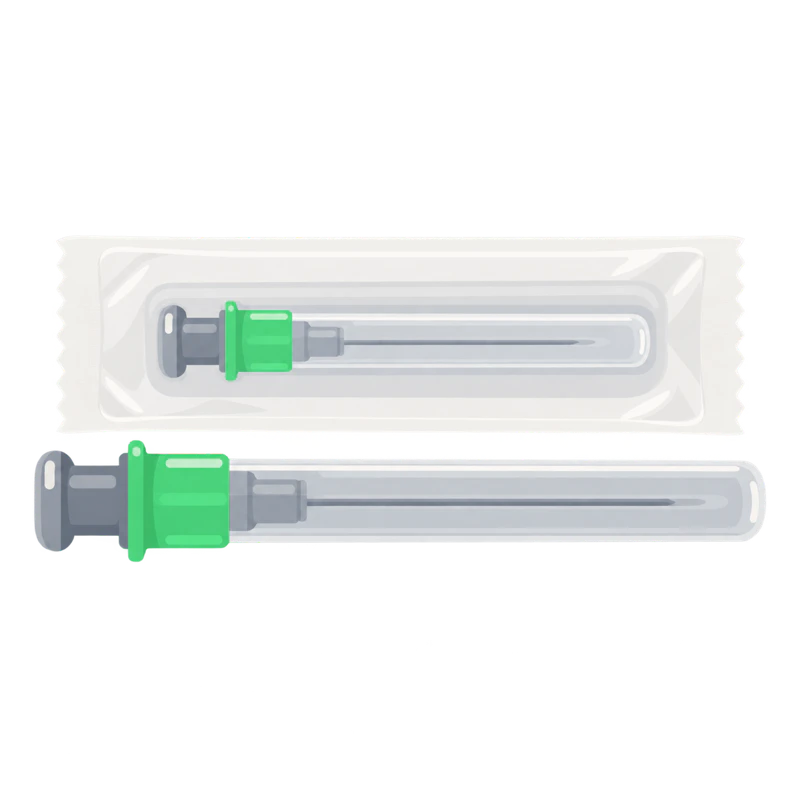
Wide-bore draw needles that thread onto a luer-lock syringe for fast transfer of water and solution between vials.
View on Amazon ↗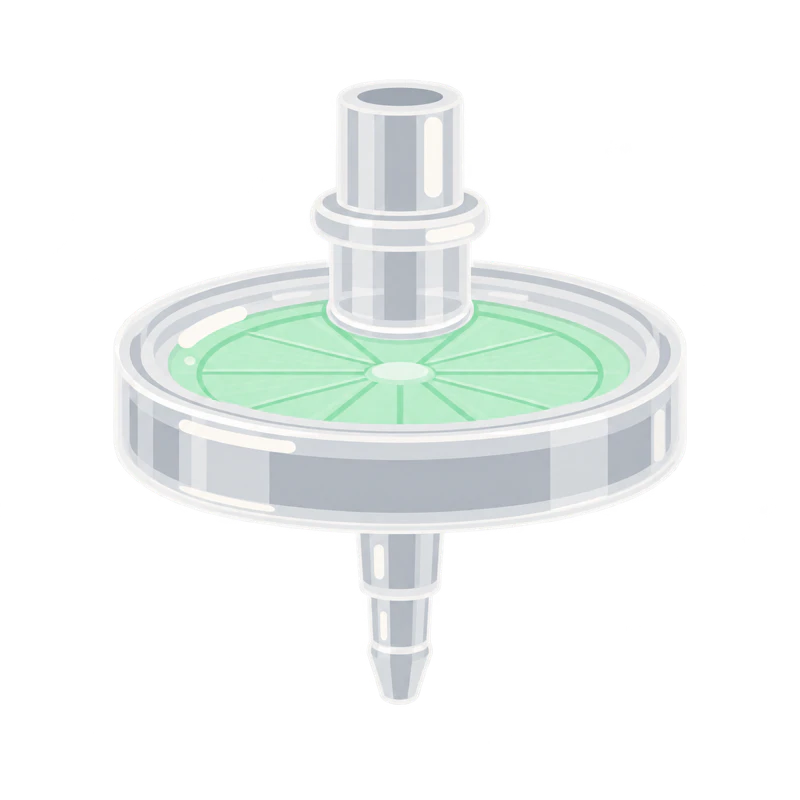
A 0.22 micron membrane is commonly used as a sterilizing-grade filtration step in validated aseptic processes. This disposable PES filter attaches to a luer-lock syringe for solution transfer. A filter alone does not validate a sterile workflow.
View on Amazon ↗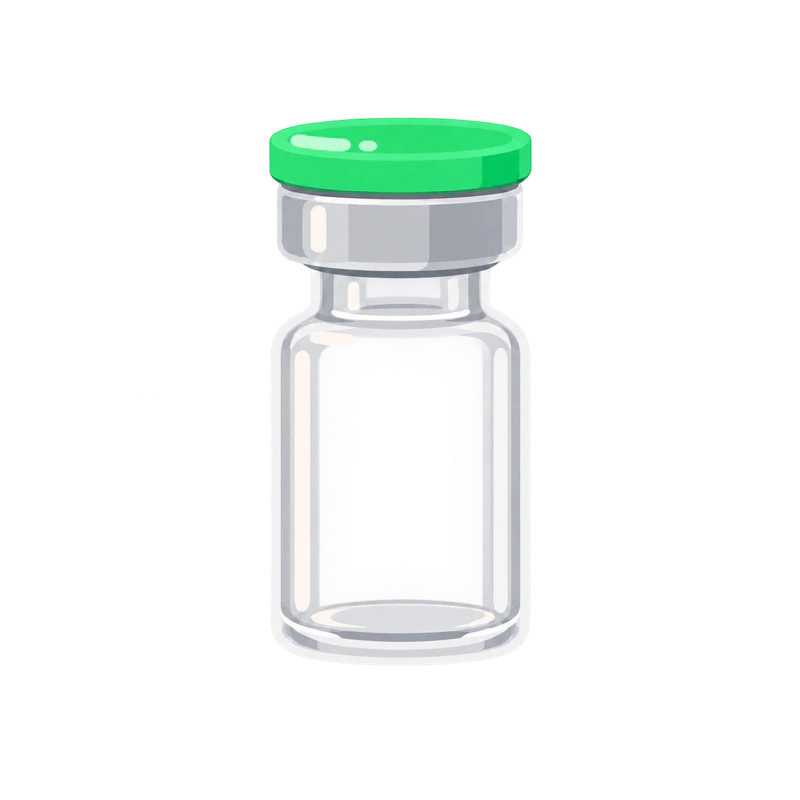
Sealed vials with self-healing rubber septa, for splitting or storing solution. Ships with label stickers for marking contents and dates.
View on Amazon ↗Fine-graduation syringes for drawing small volumes precisely.
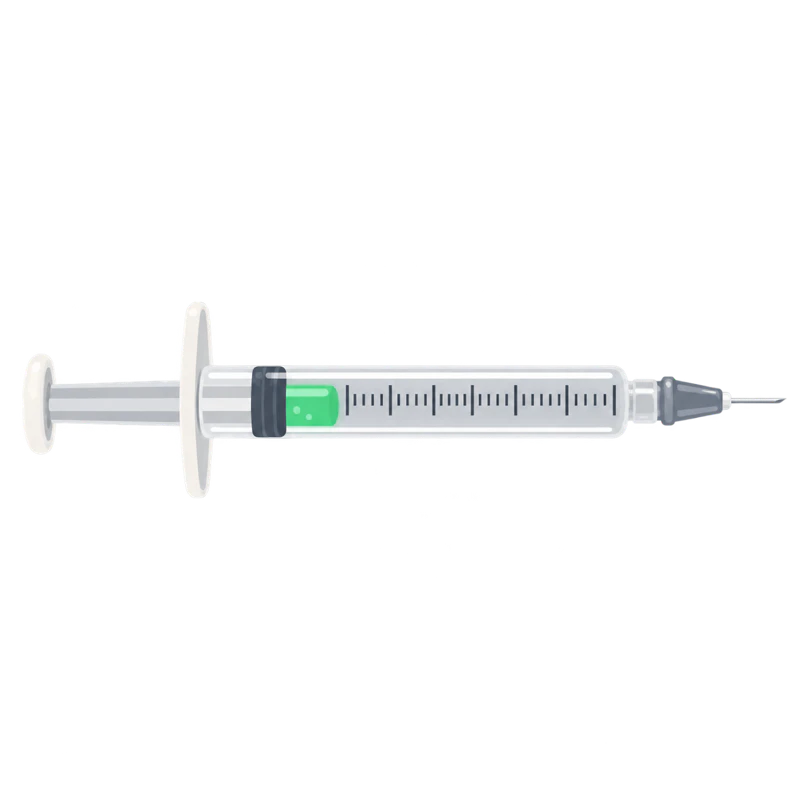
The reference medical brand for fine syringes: 1 mL barrel graduated in U-100 units (0.01 mL) with a 31-gauge, 5/16 inch needle.
View on Amazon ↗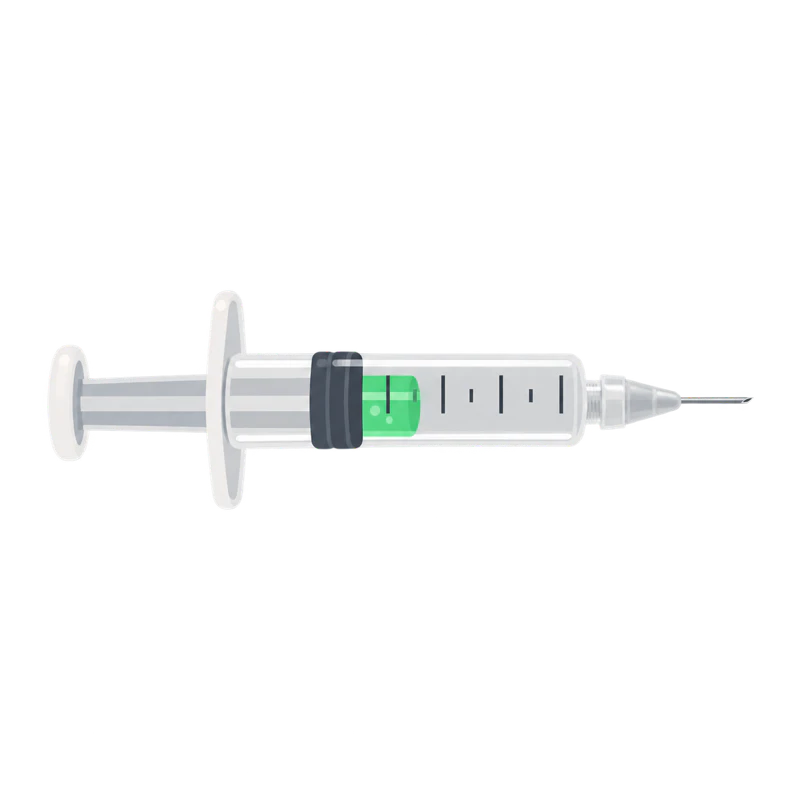
Half-size barrel spreads the same graduations over more length, so small volumes read more precisely. 30-gauge, 5/16 inch needle.
View on Amazon ↗Keeping septa and hands clean, and getting used sharps out safely.
A septum gets swabbed before every puncture. Individually sealed 2-ply pads saturated in 70% isopropyl alcohol, so they don't dry out in the box.
View on Amazon ↗
Powder-free nitrile keeps skin oils and particulates off septa and glass. The listing carries sizes S through XL.
View on Amazon ↗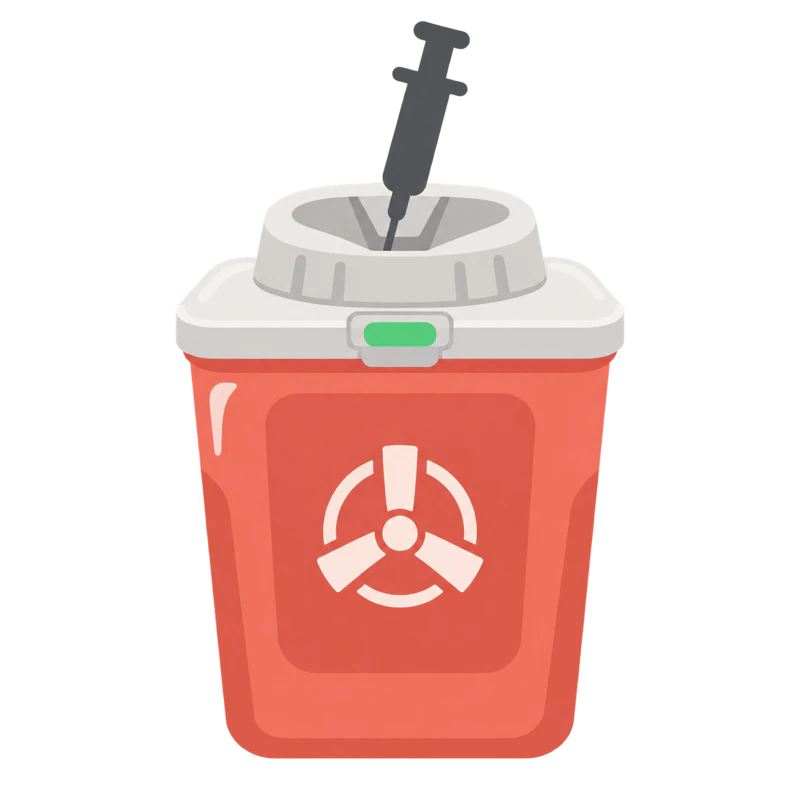
Puncture-resistant containers for used needles and syringes. Final disposal rules are local, and many pharmacies accept sealed containers.
View on Amazon ↗Storage after reconstitution is compound- and formulation-specific, so follow product or study-protocol stability instructions.
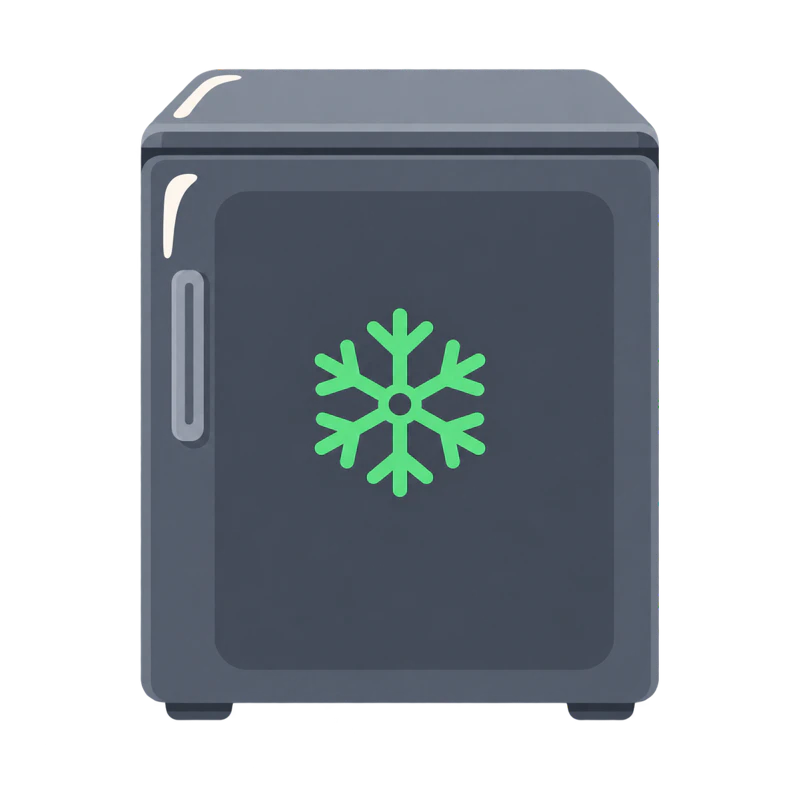
A compressor refrigerator with an adjustable thermostat for protocols that specify refrigerated storage. It provides active cooling and keeps research materials separate from food. Verify the internal temperature with a thermometer.
View on Amazon ↗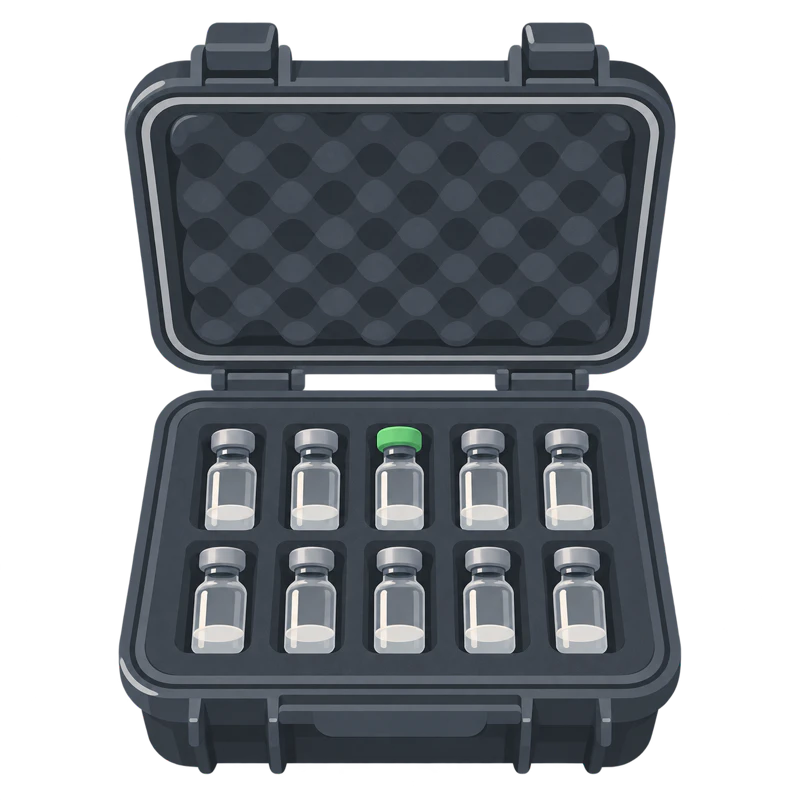
Rigid slotted case that keeps vials upright and separated on a fridge shelf, with a slot for a bacteriostatic-water bottle. It is a small-batch product, so stock comes and goes.
View on Amazon ↗Keeping vials cold and intact in transit.
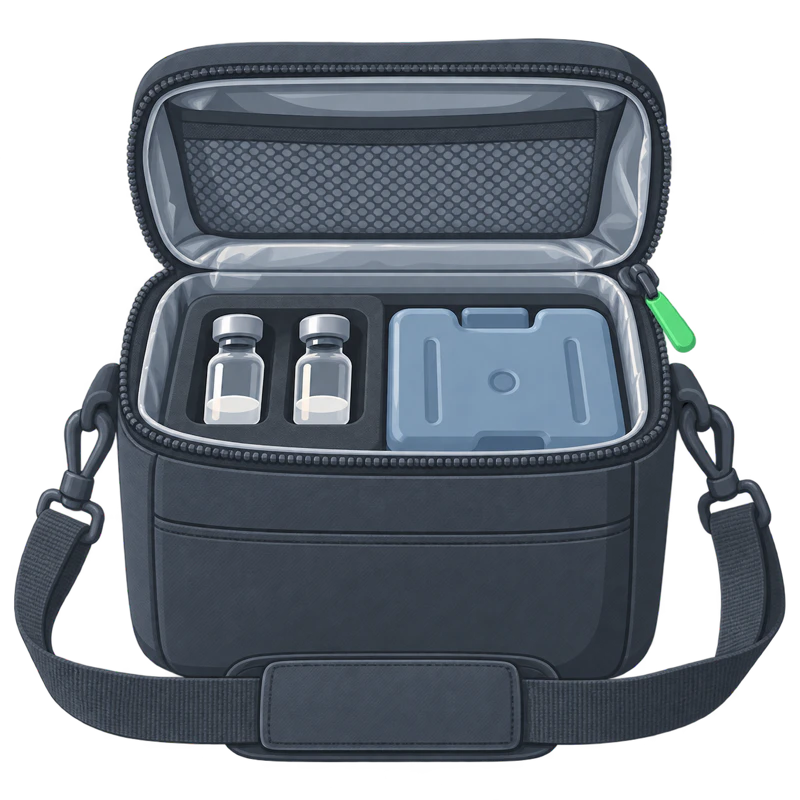
Hard EVA shell plus a freezable brick for cold transport when the applicable protocol requires it. TSA allows frozen liquid items and gel packs through screening when they are frozen solid.
View on Amazon ↗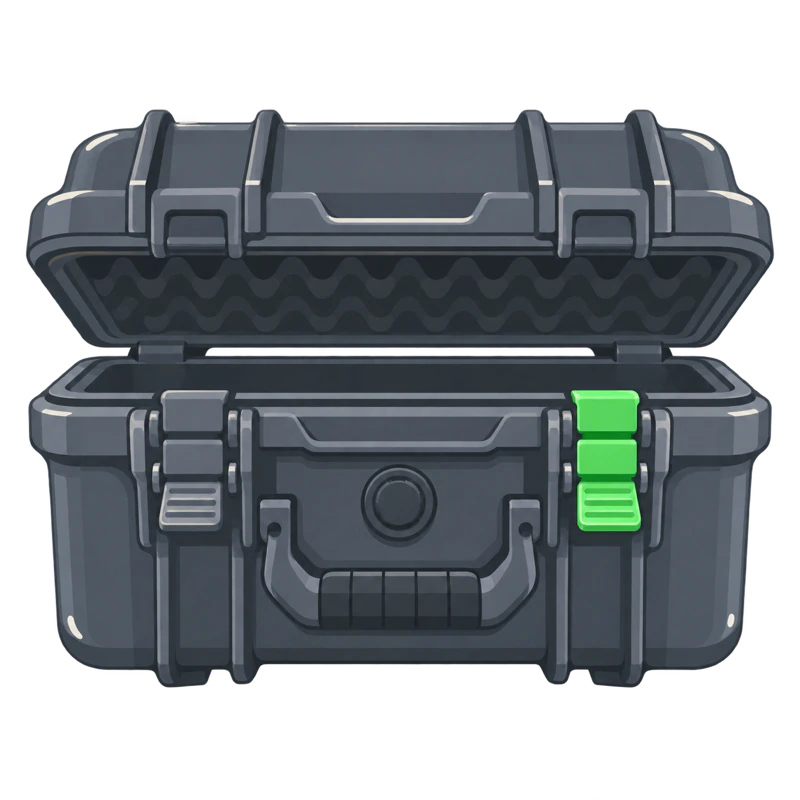
Crush-proof, water-resistant hard case with a rubber liner that fits a handful of small vials. The pick when impact protection matters more than cold - lyophilized vials in checked luggage, shipping, a gear bag.
View on Amazon ↗A typical research-bench supply checklist may include the specified diluent, a luer-lock syringe and compatible draw needle, sterile alcohol prep pads, and a sharps container. Some validated workflows also call for a 0.22 micron syringe filter or sterile sealed vials. Use the diluent and handling conditions specified for the compound or study protocol. Bacteriostatic water is not interchangeable with every product's required diluent. PeptideScouter indexes bacteriostatic-water prices across vendors.
In validated aseptic manufacturing, 0.2 and 0.22 micron are standard sterilizing-grade filter ratings. A suitable filter can remove viable bacteria and particulates, but nominal pore size alone does not make an uncontrolled bench process sterile. Filter compatibility, integrity, starting bioburden, and aseptic handling all matter.
There is no universal storage rule for every reconstituted peptide. Official product labels vary: some formulations require immediate use and no refrigeration, while others permit limited storage at 2-8°C. Follow compound- and formulation-specific manufacturer or study-protocol stability instructions. Bacteriostatic Water for Injection contains 0.9% benzyl alcohol as a preservative, but that does not establish the chemical stability of a peptide mixed with it.
No. PeptideScouter is a price index and sells nothing. Supply links on this page go to Amazon, where the products are sold by Amazon or its third-party sellers, and PeptideScouter earns a commission on qualifying purchases as an Amazon Associate, at no extra cost to the buyer. Selection is based on usefulness on a research bench, not commission. Peptide prices themselves are indexed directly from vendor storefronts - see the methodology page.
Supplies link to Amazon and are sold by Amazon or its third-party sellers, not PeptideScouter. We earn a commission on qualifying purchases at no extra cost to you, and no product pays for placement on this page. Research peptides themselves are not sold on Amazon. The peptide prices on this site are indexed directly from vendor storefronts. Full details in the affiliate disclosure.